
You pull a solid wood dresser off the thrift store floor at a bargain price, haul it home, and suddenly realize you have no clear workspace, no plan, and three other half-finished pieces already taking up the garage. That scenario plays out constantly for anyone getting into DIY furniture flipping, and it is exactly why a little upfront planning separates a profitable hobby from an expensive one. Here’s Compass Self Storage’s practical walkthrough of the process from sourcing to final coat.
Sourcing Pieces Worth Your Time
Not every cheap find is worth flipping. Solid wood construction is the clearest signal that a piece will hold up through sanding, stripping, and repainting. Run your hand along the drawer slides and check the joints for wobbly corners or particleboard that has swollen from water exposure. If it doesn’t pass the test, it will cost more in repair time than the piece will ever recoup. Estate sales, Facebook Marketplace, and Craigslist “free” listings often yield better raw material than thrift stores, simply because the furniture tends to be older and built to a higher standard.
Prep Work Is Where the Finish Is Actually Made
Skipping prep is perhaps the most common reason a DIY furniture flip looks amateurish at the end. Clean the piece thoroughly with a degreaser before you touch sandpaper to it. Sand with the grain, starting at a coarser grit and working down to a finer one. If the existing finish is chipping or peeling, strip it completely rather than painting over it. A thin coat of primer designed for the surface type (wood, laminate, or metal) gives the topcoat something to grip and dramatically reduces the chance of peeling later.
Paint, Stain, and Finish Options
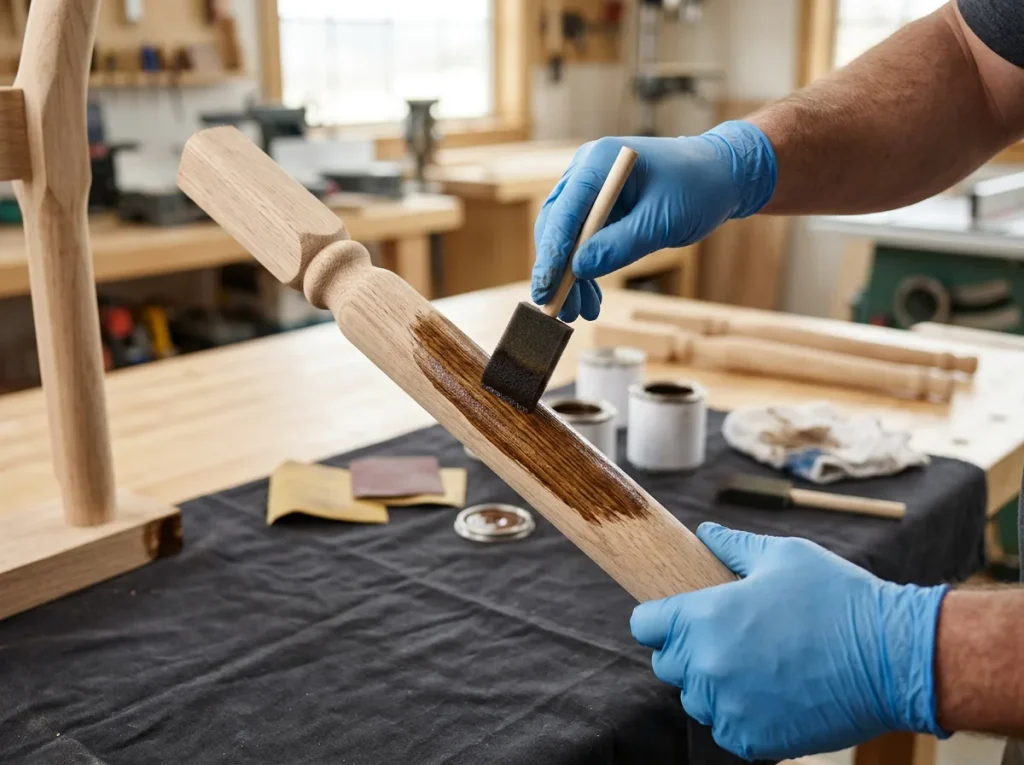
Chalk paint has become popular for furniture flipping because it adheres to most surfaces with minimal prep and dries quickly. That said, it requires a wax or topcoat sealer to hold up to daily use. Latex paint with a built-in primer is a solid all-around option for pieces that will see regular handling. Oil-based paint produces a harder, more durable finish but takes longer to dry and requires mineral spirits for cleanup. For natural wood pieces where you want the grain to show, a gel stain followed by a polyurethane topcoat gives a clean, professional result. Whatever you choose, apply thin coats and let each one cure fully before adding the next.
Hardware and Final Details
New hardware can transform a piece more than the paint color. Swapping out dated brass pulls for matte black or brushed nickel hardware takes minutes and costs very little, but it shifts the whole look. Fill old hardware holes with wood filler if you are changing the placement, and sand flush before painting. Legs are another quick upgrade. Tapered mid-century legs added to a boxy dresser are a reliable way to increase resale value. Check that all drawers open smoothly and that any doors hang level before you photograph the finished piece.
Managing Inventory and Workspace
Once furniture flipping moves past a one-piece experiment, inventory management becomes a challenge. Finished pieces waiting to sell take up space, and raw finds waiting to be worked on compete for the same floor. Many flippers find that a storage unit keeps the workflow moving. Finished inventory stays secure in a unit while the garage or workshop stays clear for active projects. If you are storing painted wood pieces, a temperature-controlled environment helps reduce the risk of finishes cracking under repeated temperature swings. Find a Compass Self Storage location near you to see what unit options are available in your area.
For help figuring out how much space your inventory actually needs, our unit size guide is a good starting point. A 5×10 unit typically fits four to six medium pieces with room to move around them, while a 10×10 unit gives you room to stage and photograph finished work before listing it. If you are newer to the hobby and want more ideas on how storage can support creative side projects, learn all about hobbies that benefit from self storage on our blog.
DIY furniture flipping rewards patience more than talent. A piece that gets a careful strip, a thorough prime, and two thin topcoats will consistently outsell one that was rushed to listing. Build the process before you scale the volume, keep your workspace clear, and the hobby has a real shot at paying for itself.