
Natural disasters are events no one wants to face. Still, they’re a reality for many regions, especially if you live in areas where hurricanes, tornadoes, and earthquakes are common.
To be better prepared to navigate the discomfort and potential loss that can occur during these events, knowing how to act as a community is crucial.
Compass Self Storage wants you to feel as prepared as possible. One of the best approaches to adopt is community resilience, which focuses on neighbors coming together, staying informed, and supporting one another before, during, and after a natural disaster.
What Is Community Resilience?
According to FEMA, community resilience is a community’s preparedness for natural disasters, its ability to adapt to rapid change, and its capacity to recover quickly with everyone’s help. A truly resilient community does not merely return to its prior state but uses the recovery process as an opportunity to emerge stronger in the face of future hazards.
UNDRR provides tools such as the Disaster Resilience Scorecard for Cities to help communities evaluate their resilience. This was developed by the United Nations Office for Disaster Risk Reduction to educate people and reduce the risks posed by these events, so it is a useful resource to explore.
Educational Campaigns
Education is power. Educational campaigns ensure the community understands the risks of natural disasters, such as hurricanes, tornadoes, wildfires, and severe snowstorms, and how to respond accordingly. Providing accessible information on potential hazards, warning signs, and evacuation routes not only helps reduce panic during a sudden event but also can save lives and make the disaster less stressful.
Participatory and Inclusive Planning in a Neighborhood Emergency
While education provides the knowledge, participatory planning builds the essential social connections and local action network. To make resilience an effort for everyone, inclusive planning sessions are paramount. We encourage neighborhood get-togethers at least once a year to update new residents and refresh everyone’s knowledge.
Forming bonds and staying connected with your community is a powerful way to build resilience, as these relationships form the foundation of a mutual aid system that immediately activates during difficult conditions. Knowing the plan is helpful, but participating in it is even more important.
Effective Communication Before, During, and After Emergencies
An effective way to communicate between neighbors should be established from the beginning. We recommend setting up an SMS group chat in case the internet connection is lost. You can use these communication channels to exchange lifesaving information or request help if needed.
After the event, using these communication tools to share updates on essentials, like power or water, and to organize neighbors to help each other is essential. This makes it easier for the whole community to work together, allowing the neighborhood to recover faster.
Use a Self Storage Unit as a Place To Keep Emergency Supplies Secure
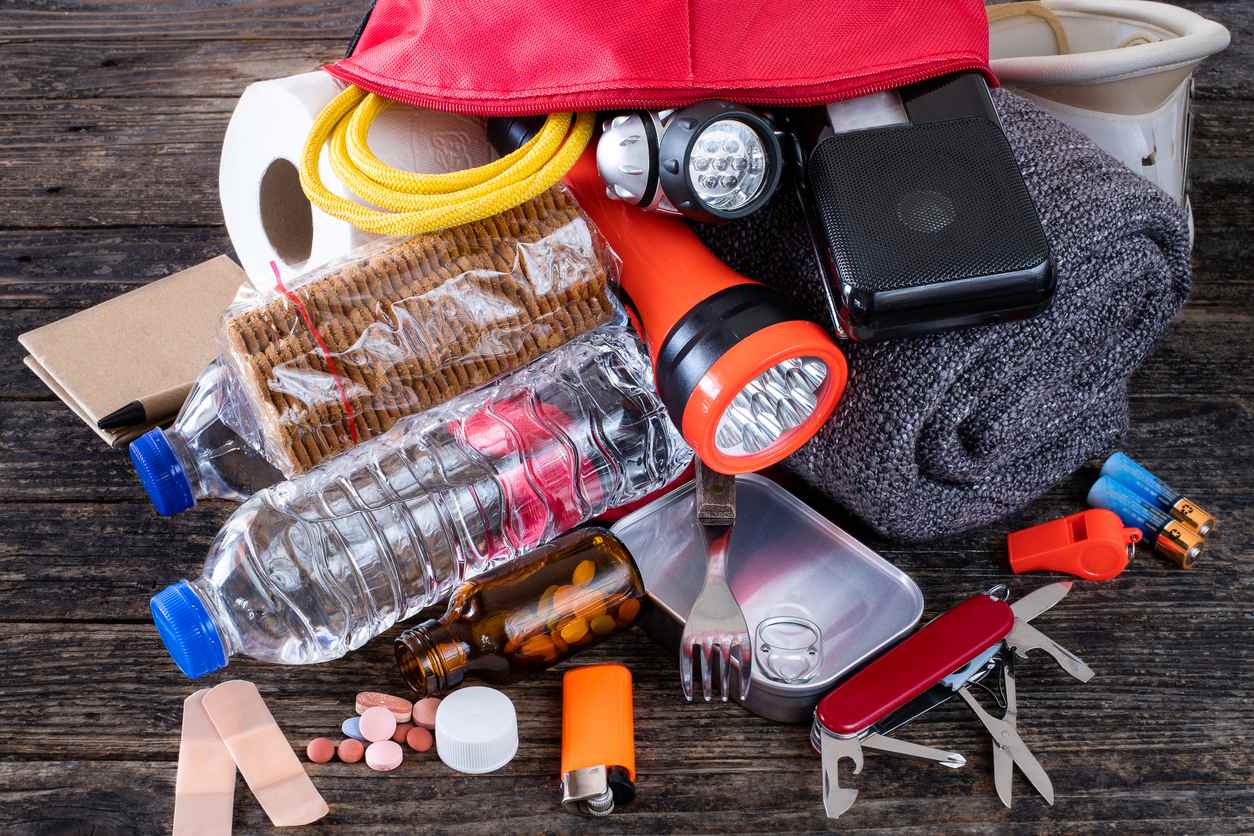
No one wants to think about worst-case scenarios, but as unfortunate as it is, your house or your neighbors’ houses could be at risk. When a natural disaster is about to hit, it is essential to have an emergency preparedness plan, so having a secure place to keep essentials is a must.
A self storage unit can be the solution you are looking for, as they are spacious enough to store many essential supplies. Consider storing:
- First aid and medical supplies. Hand sanitizer, over-the-counter pain relievers, antibiotic medicine, bandages, antiseptics, and garbage bags are helpful to have on hand.
- Water and food. Non-perishable food items like canned goods, high-calorie energy bars, and large, sealable water containers.
- Clothes. Warm clothes like coats, rain jackets, scarves, thermal undershirts, and blankets, especially if you are preparing for a snowstorm.
- Tools. Duct tape, high-powered flashlights, extra batteries, and radios to stay in the loop with the world.
What To Consider When Renting a Self Storage Unit for Natural Disaster Relief
It’s important to choose the correct storage unit when facing a natural disaster, especially if it will contain items that could affect your neighbors’ well-being. Your storage facility of choice should be easily accessible and the correct size. We also recommend a climate-controlled storage unit to ensure all items remain in good condition, with security features for your peace of mind.
Make sure all supplies are clearly labeled, inventoried, and organized into easily transportable bins or containers. All expiration dates should be checked at least every six months.
Participatory Recovery and Rebuilding

The aftermath of a natural disaster is as important as the preparation phase. Recovery is often the longest and most challenging phase after a natural disaster, and to navigate it as gracefully as possible, you should lean on your people. A collective effort will speed up the process and help heal emotional wounds left by the event. Here’s what you can do:
- Assess your neighborhood. Check on vulnerable residents and document general damage to assess the extent of the impact.
- Work together. Organize community work teams to help older residents, single parents, those with disabilities, or anyone in a vulnerable position. Help clear debris, secure damaged homes, and distribute emergency supplies.
- Support each other. This is not an easy time for anyone. Check in on one another, offer support when possible, and take care of yourself, too.
Reduce Natural Disaster Stress With Compass Self Storage
It’s important to motivate the community to know thatbuilding community resilience benefits everyone and can even save lives. Understanding local risks, planning ahead, and having shared resources, such as a self storage unit for emergency supplies, can make a meaningful difference during challenging times.
At Compass Self Storage, our storage facilities offer a variety of storage unit sizes across many states, with convenient access and flexible options to help support your planning efforts.Rent a storage unit online today, and explore our blog for additional resources, including guidance on preparing your business for a hurricane.