
Wood furniture can last a long time and make your home feel warm and comfortable, but it needs proper care. In this guide, Compass Self Storage will share tips on how to clean, care for, and store your wood furniture. You’ll also see how climate-controlled storage can shield wood from heat, cold, and moisture during a move, remodel, or long-term storage.
Understanding Your Wood Furniture
If you want to properly clean your furniture so it lasts a long time, it’s best to understand exactly what it’s made of.
Identifying Wood Types and Finishes
Different types of wood respond differently to cleaners and moisture. For woods with sealed finishes like varnish or lacquer, they resist scratches and liquids but can turn cloudy if they’re exposed to strong chemicals. As for raw or oil-finished wood, they absorb moisture more quickly, causing them to be more vulnerable to any staining.
If you’re not sure which type of wood your furniture is, place a tiny drop of water on a hidden part. A beaded drop of water will mean the surface is sealed, but if it’s being absorbed, then the wood is oil-finished or raw.
How Wood Reacts to Temperature, Humidity, and Light
There are lots of ways wood reacts to the environment. In humid conditions, wood expands and contracts when it’s dry. As it can also cause the wood to swell and shrink, it places stress on joints, panels, and any decorative details. This makes drawers harder to open, causes hardware to loosen, and creates small cracks along the grain.
If wood is exposed to sunlight for quite some time, it can cause the surface to lighten or create uneven coloring across the piece. And as for temperature, try not to leave your wooden furniture near heated vents or radiators. This can soften the finish, leave a hazy film, and cause the surface to dull quickly.
Oily Dust, Water Rings, and Dull Surfaces Are Common Problems
The buildup of oily dust on wood furniture can result from cooking or skin oils, water rings from cold or wet items, and dullness from old products or aging finishes. Knowing what’s causing these problems makes it easier to choose the best and most effective way to clean your furniture.
Preparing Your Wood Surfaces
A little preparation prevents scratches during cleaning.
Dusting Correctly
Start with gentle tools to prevent damage while you clean. Use a soft microfiber cloth to dust the surface, and always wipe in the same direction as the wood grain so you don’t push dirt into the finish. For small cracks and corners, use a vacuum with a soft brush attachment to remove dust and crumbs.
What To Avoid
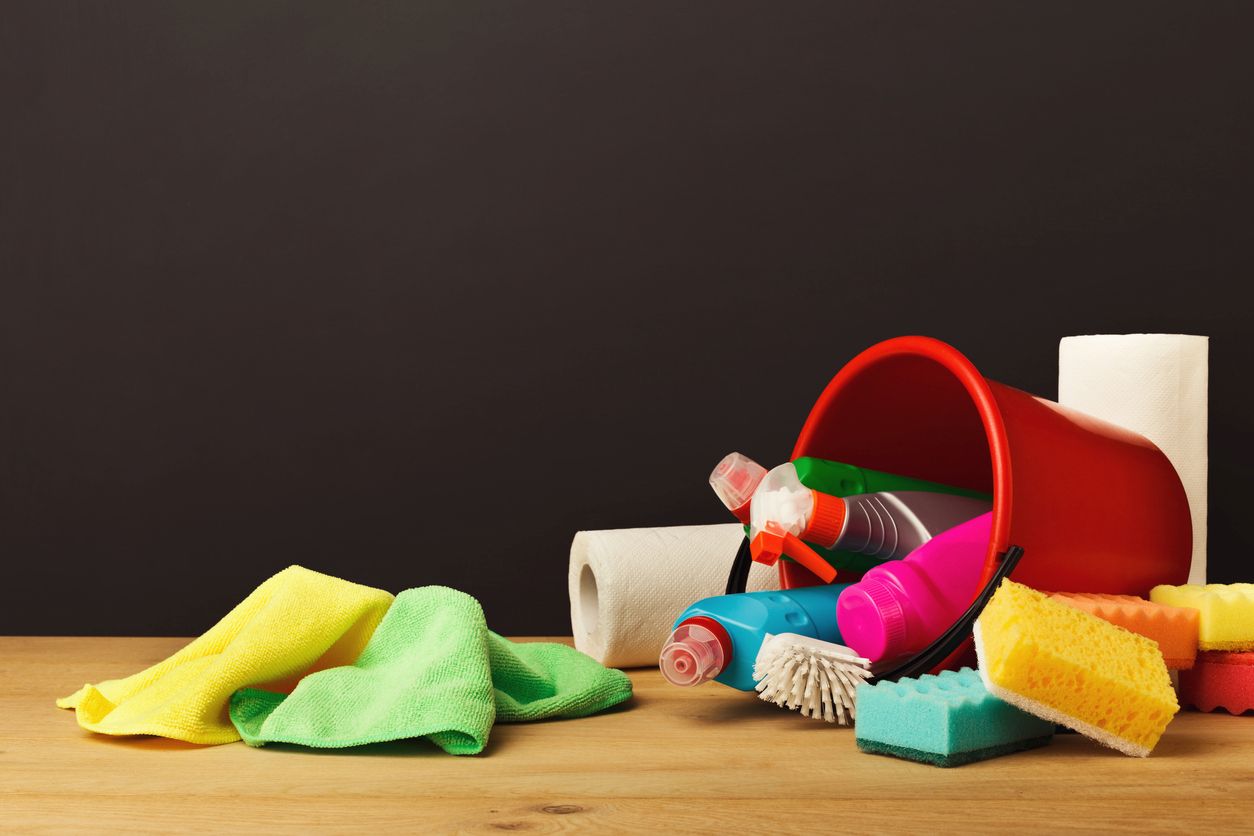
When you know how to clean wood furniture, you know how to stay away from anything that can scratch or harm the finish. That includes not using abrasive scrub pads or Magic Erasers, since they can wear down the surface. You should also avoid strong cleaners like ammonia, bleach, or all-purpose sprays, and be careful not to soak the wood with too much liquid.
The Best Way To Clean Wood Furniture
Here’s the best and easiest method to clean your wood furniture without harming the finish.
Eco-Friendly Solutions for Everyday Cleaning
For everyday cleaning, a soap-and-water mix works well for most wood finishes. Add a few drops of mild dish soap to warm water, dip your cloth in, and wring it out so it’s only slightly damp. Wipe the wood gently, and then use a second dry cloth to remove any leftover moisture.
How To Clean Wood With Oily Dust Buildup
If your wood furniture has oily dust on it, you can easily make a gentle cleaning mix at home. Combine half a cup of white vinegar with one cup of water, then add one drop of mild dish soap. You’ll be able to wipe the surface gently with a cloth dipped in the mixture, and dry it completely afterward.
How Do You Deep Clean Wood?
Deep cleaning helps remove grime and restore luster.
Removing Grime
Use a wood-friendly cleaner or a diluted vinegar solution to gently lift away built-up dirt and grime. A cleaner made specifically for wood maintains the finish, while a mix of vinegar and water can loosen tough residue without being too harsh on the finish. Always test your solution on a small, hidden spot first to verify that it won’t harm the surface.
Gentle Scrubbing Techniques
Clean flat surfaces with a soft cloth, and wipe carved or detailed areas with a soft-bristle toothbrush where dust and grime could be hiding. The soft bristles will help you reach tight spots without scratching the wood, making it easier to clean every part of your furniture effectively.
How To Clean a Wood Dresser
Wood dressers need extra attention because dust builds up on the inside and outside. Start by emptying all the drawers, then vacuum the inside using a soft brush attachment. Clean the drawer runners with a small amount of mild soap and water, and wipe the outside of the dresser with a damp microfiber cloth.
Caring for Wood Tabletops

Using wood tabletops every day requires regular maintenance, so here are some wood tabletop care tips.
Wood Tabletop Care During Daily Use
You can shield your wood tabletop from scratches, stains, and heat marks by using placemats, coasters, and heat pads every day. These tools create a barrier between the wood and hot dishes, cold drinks, or rough items. You should also clean up spills straight away, because wood absorbs liquids quickly and can stain or swell if moisture sits too long.
Cleaning Routines for Heavy-Use Surfaces
For wood surfaces that get a great deal of use, a regular cleaning routine helps keep them looking their best. Each week, wipe the surface with a cloth dipped in warm, soapy water, making sure to wring it out so it’s only slightly damp. This will help remove fingerprints, crumbs, and everyday dirt without ever soaking the wood.
How To Disinfect Wood Without Damaging the Finish
Here’s how to disinfect wood effectively while keeping the finish intact.
Effective Disinfectants
A reliable way to disinfect wood is to use 70% isopropyl alcohol mixed with an equal amount of water. This mixture is strong enough to kill germs but gentle enough to shield most finishes when used correctly. Lightly spray the mixture onto a cloth, never directly onto the wood, so the surface doesn’t get too wet.
What To Avoid To Maintain Finishes
When disinfecting wood, avoid products that can harm the finish. Bleach is too harsh and can strip away color or weaken the surface. As for undiluted alcohol, it’s dangerous because it can dry out the wood and leave the finish looking cloudy. You should also avoid disinfecting wipes, as many contain strong chemicals that can dull or wear down the coating.
Preventive Maintenance for Wood Furniture
Taking care of your wood furniture a little at a time helps keep it clean and looking great for years.
Weekly and Monthly Cleaning Routines
While cleaning your wood furniture may be an obvious task to add to your list of chores, you need to know how often to do it and what exactly to do. We recommend every week and month. For every week, you should dust and wipe wooden furniture that is often touched or used with a mild mix of soap and water.
As for every month, take the time to evaluate all your wooden pieces. Check for dry areas, loose parts, and any fading. If you need to, you can then add a light coat of conditioning oil and buff the dull areas with a microfiber cloth.
Defending Wood From Scratches, Heat, and Moisture
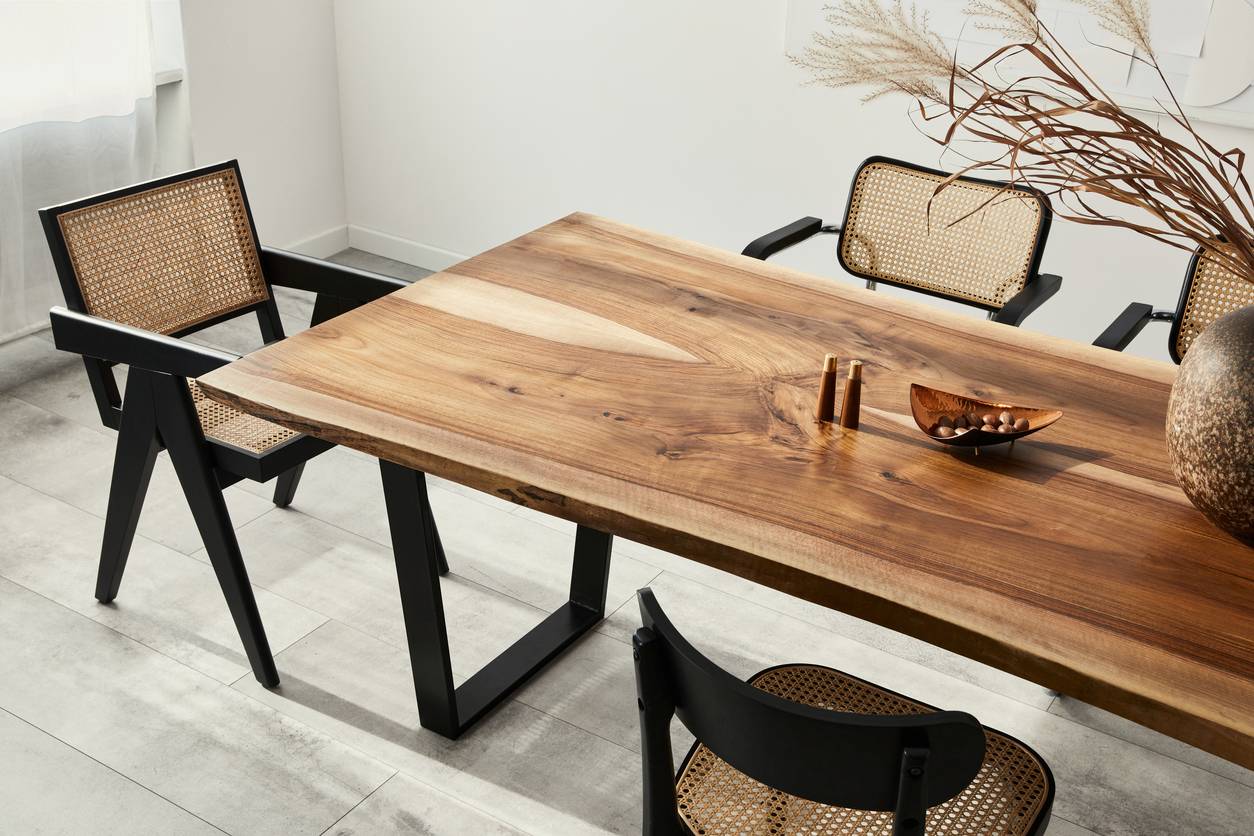
Place felt pads under chair and table legs to reduce scratching that comes from moving your furniture around. You should also consider keeping them away from heat vents and radiators. It also helps to keep the indoor humidity between 40% and 55% to prevent the wood from swelling or cracking. Another helpful tip is to rotate your decor often. This prevents any uneven fading that can appear from sunlight.
When To Re-Oil, Wax, or Refinish Your Wood Pieces
It’s time to care for your wood furniture when the surface starts to look dry or chalky, the finish feels rough, water no longer beads up, or you notice scratches or cloudy spots. Oiled wood usually needs a fresh coat every six to 12 months, while waxed surfaces may need attention every six to 18 months.
Pre-Storage Cleaning Checklist
Before you store any wood furniture, check it’s clean and ready for short or long-term personal storage. Start by dusting the piece well, then wipe all surfaces with mild soap and water. If the wood requires it, add a light coat of approved furniture oil and let everything dry completely for 24 hours.
Disassembling, Wrapping, and Padding Wood Furniture
Taking wood furniture apart and wrapping it the correct way helps shield it from scratches and dents during storage or a move.
Remove Legs, Drawers, Shelves, and Hardware
Before you move or store wood furniture, take off any parts that can come loose, like legs, drawers, shelves, and hardware. This keeps the furniture from breaking and makes it easier to carry. Put small pieces, such as screws and handles, in labeled bags so you don’t lose them.
Wrap Pieces in Breathable Materials Like Moving Blankets
After you take your furniture apart, wrap each piece in breathable materials like moving blankets. These soft blankets help shield the wood from scratches, bumps, and dust. Try not to use plastic directly on the wood, because it can trap moisture and cause deterioration. Using moving blankets can reduce the risk of your furniture getting ruined while you’re moving or storing it.
Keeping Wood With Climate-Controlled Storage
Choosing climate-controlled storage is the best way to shield wood furniture from deterioration caused by heat, cold, and moisture.
Prevent Moisture Absorption
Humidity can cause wood fibers to take in excess moisture, which leads to swelling, warping, or joints that no longer sit evenly. High humidity can also create conditions where mold may form on unfinished areas or inside drawers. Climate control keeps moisture levels steady, limiting these shifts and reducing the risk of mold or long-term moisture damage while your furniture is stored.
Reduce Cracking From Dryness
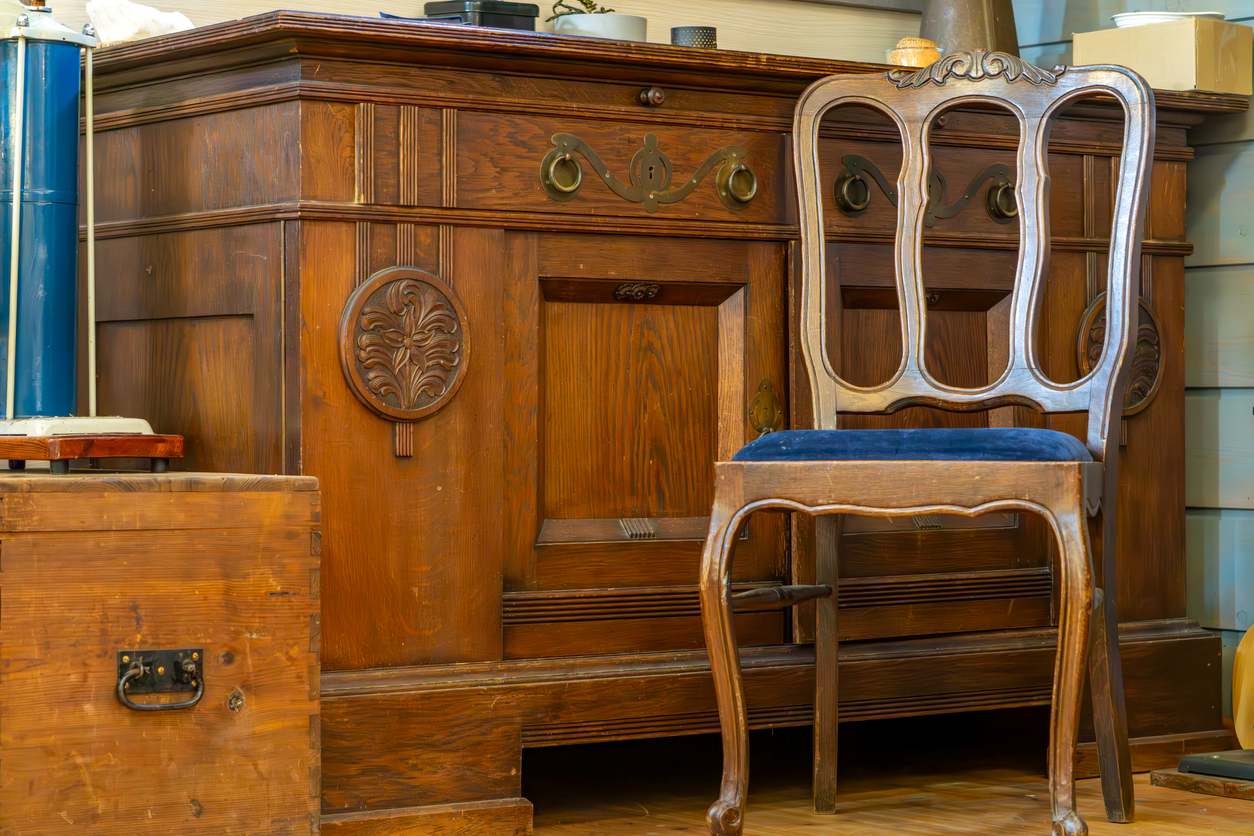
A climate-controlled storage unit also prevents wood furniture from becoming too dry. When the air is very dry, wood can shrink and crack, which weakens the surface and the piece. Climate control keeps the air at a steady level, preventing the wood from drying out.
Defend Finishes From Extreme Temperatures
Climate-controlled storage helps shield wood furniture finishes from excessively hot or cold temperatures. Extreme heat can make the finish soft or cloudy, while freezing temperatures can cause it to crack. By keeping the temperature steady, climate control makes sure the finish stays smooth and strong.
Maintain Structural Integrity Over Months or Years
Keeping wood furniture in a climate-controlled environment keeps it durable for a long time. When you keep wood in a steady environment, it doesn’t swell, crack, or weaken from changing temperatures or humidity. As a result, your furniture can keep its shape and strength for months or for years.
Common Mistakes To Avoid When Cleaning Wood
Knowing the most common cleaning mistakes can help you keep your wood furniture clean and looking its best.
Over-Wetting Your Surfaces
Too much water can seep beneath the finish and settle into the wood fibers, which may cause dark stains, surface bubbles, or warping as the wood expands unevenly. Using a tightly wrung-out cloth keeps moisture to a minimum, and drying the surface right away helps prevent water from soaking in or lingering long enough to alter the finish.
Using the Wrong Cleaning Products
Some products can hurt your wood furniture instead of helping it. Stay away from harsh cleaners, all-purpose sprays, rough scrubbers, too much wax, and silicone polish. These can make the finish look cloudy, leave behind sticky buildup, or weaken the barrier coating on the wood.
Skipping Regular Maintenance
Wood that isn’t cleaned or cared for regularly can become dry, dull, and much easier to scratch over time. Without regular upkeep, the surface can lose its shine, small cracks may start to form, and the finish can wear down. Taking a little time to care for your wood each month keeps it strong and looking good for years.
Store Your Wood Furniture With Confidence at Compass Self Storage
If you’re preparing for a move or setting wood furniture aside during a remodel, Compass Self Storage provides month-to-month rentals and climate-controlled storage units that keep temperature and humidity more consistent. This creates a steadier environment for storing finished or unfinished wood pieces. Reserve a storage unit online today to choose the space that fits your needs.